
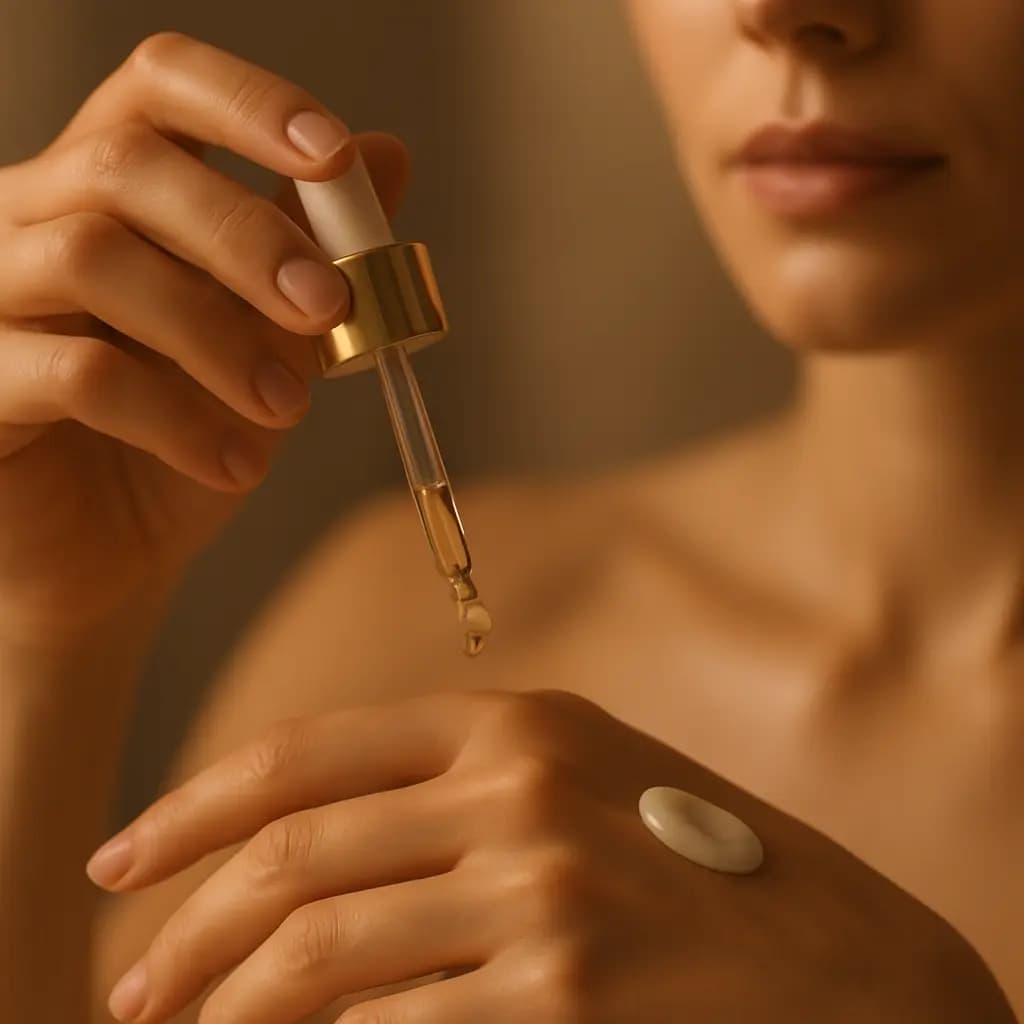
Most people who skip sunscreen aren't being careless. They are avoiding a very specific, very real feeling: that heavy, greasy layer sitting on the skin, or the chalky white cast that shows up in photos and under indoor lighting. If that has ever made you put the bottle back in the drawer, you are not alone, and the good news is that formulas have genuinely improved enough that this is no longer a trade-off you need to accept.
Why sunscreen matters more in Kabul specifically
Kabul sits at roughly 1,800 meters above sea level. At higher altitudes, there is less atmosphere to filter ultraviolet radiation, which means UV exposure is meaningfully stronger than it is at sea level — even on cloudy or cool days, when it is easy to assume protection isn't necessary. This is one of the most overlooked factors in skincare conversations locally, and it is a big part of why dark spots, premature fine lines, and dull, sun-damaged texture show up so often as concerns among Madina's clients.
Sunscreen is not a seasonal product here. It is a daily one, twelve months a year, regardless of cloud cover.
What "lightweight" actually means
Not all SPF50+ formulas are created equal. Older or poorly formulated sunscreens rely on thick, occlusive bases that sit on top of skin rather than absorbing into it — which is where the greasy feeling and white cast come from. Newer formulations, particularly from Korean skincare brands, are built specifically to feel closer to a serum or light lotion, disappearing into skin within seconds rather than sitting on the surface.
Two lightweight picks that don't compromise
Beauty of Joseon Relief Sun SPF50+ — a chemical sunscreen built around rice extract, probiotics, and niacinamide. It absorbs quickly, leaves no white cast, and sits comfortably under makeup, making it a strong daily-driver option for most skin types, including combination and normal skin.
AXIS-Y Complete No-Stress Physical Sunscreen — a mineral-based option built with mugwort extract and niacinamide, formulated to be gentler on reactive, sensitive, or acne-prone skin while still delivering broad-spectrum protection.
Neither requires the trade-off of choosing between protection and comfort — which is exactly the point.
How sunscreen connects to everything else in your routine
Sunscreen is not a standalone product; it is the foundation everything else stands on. Retinal products, brightening serums, and in-clinic treatments all work by encouraging skin renewal — but unprotected sun exposure actively works against that same process, breaking down collagen and reversing progress in real time. This is discussed in more depth in our wrinkles & fine lines guide: no active ingredient, however well-formulated, can out-repair daily unprotected sun exposure.
A simple way to build the habit
If sunscreen has never stuck as a daily habit, try pairing it with something you already do every morning — right after brushing your teeth, or immediately before leaving the house. Keeping the bottle somewhere visible, rather than tucked away in a drawer, also makes a measurable difference in consistency over time.
FAQ
Chemical or mineral sunscreen — which is better for Kabul's climate? Both work well. Mineral suits sensitive or reactive skin that struggles with chemical filters, while chemical formulas suit those who want a lighter, more cosmetic-like finish under makeup.
Do I need SPF on cloudy or winter days? Yes. UV exposure at Kabul's altitude remains significant even under cloud cover, and skipping SPF on overcast days is one of the most common reasons people don't see improvement in dark spots or fine lines.
Can sunscreen alone fade existing dark spots? No, but it prevents new spots from forming and protects the results of any brightening treatment you are already using — without it, treatment progress is essentially undone daily.
How much sunscreen should I actually apply? Most people apply far less than needed. As a general guide, a nickel-sized amount for the full face is a reasonable daily minimum for real protection.
Do I need to reapply sunscreen during the day? Ideally yes, roughly every two to three hours if you are outdoors for extended periods, though a single thorough morning application is far better than none at all on days spent mostly indoors.
Shop sunscreens → Skincare Shop
Join the Madina Elite Circle
Receive exclusive articles, clinic updates, and special announcements.